
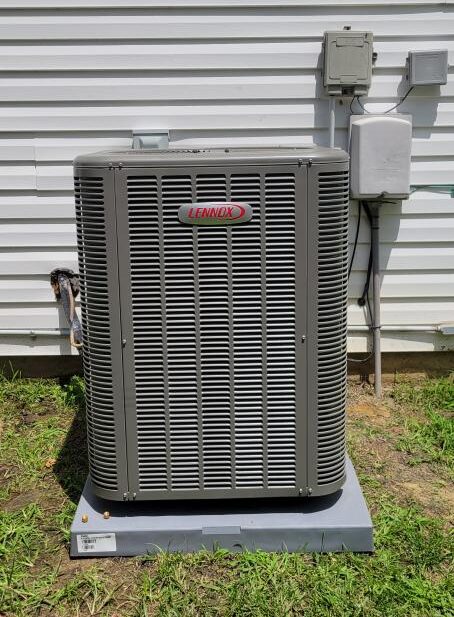
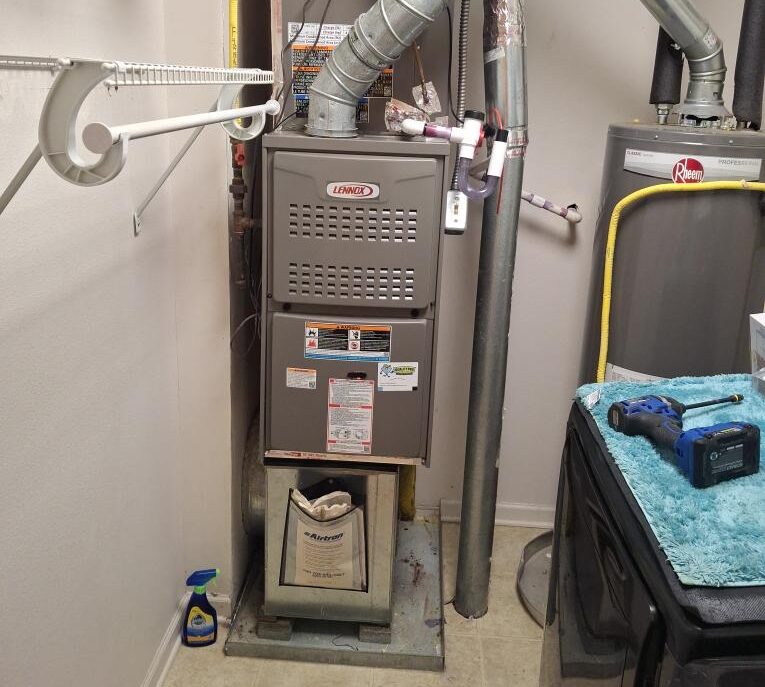
Furnaces are the traditional choice for home heating in Charlotte, but you might be wondering if a heat pump is a better option. Both systems can keep North Charlotte homes comfortable, but they work differently. The right choice depends on local winter conditions, energy use, existing HVAC equipment, installation needs, and your priorities as a homeowner. Let’s review how each system works, what affects operating costs, and what installation involves so you can make an informed decision.
How Heat Pumps and Furnaces Heat North Charlotte Homes
Both systems can keep your home cozy through the winter, but they achieve this through different methods:
- A heat pump moves heat. During winter, it extracts heat from outdoor air and transfers it indoors. Even when the air outside feels cold, it still contains heat that the system can use.
- A furnace generates heat. A gas furnace burns natural gas to create heat, while an electric furnace uses electric resistance heating elements.
The biggest functional difference is that a heat pump can provide both heating and cooling. A furnace only provides heat, so homes with furnaces typically need a separate air conditioner.
Heat Pump vs. Furnace for North Charlotte Weather
North Charlotte experiences relatively mild winters. Both heat pumps and furnaces can work well in this climate when properly sized and installed. The best choice depends on your home’s heating demand, your preferences, and your current setup.
Heat pumps are especially well suited to moderate temperatures because they can move heat efficiently. Modern cold-climate models can also operate in lower temperatures, although performance varies by equipment. Furnaces provide powerful and dependable heat regardless of outdoor temperature.
Which System Offers Better Energy Efficiency?
Heat pumps are highly efficient because they transfer existing heat instead of creating it. Under the right conditions, they can deliver more heat energy than the electrical energy they use to operate.
A high-efficiency gas furnace can use fuel effectively, but it operates differently from a heat pump’s heat-transfer process. Electric resistance furnaces convert electricity into heat efficiently, but heat pumps can often provide the same heating output using less electricity.
This doesn’t mean that a heat pump is automatically cheaper to operate. Actual costs depend on electricity and gas rates, equipment efficiency, insulation, thermostat settings, and how much heating your home needs. A professional assessment can help you understand the likely operating costs for your specific situation.
Heat Pump vs. Furnace Installation Considerations
Replacing an existing furnace with another compatible furnace may be relatively straightforward because much of the home’s heating infrastructure is already in place. Switching to a heat pump can involve additional changes, particularly if the current cooling equipment also needs replacement. Part of our process involves helping you compare your heating installation options.
These are the factors we help you consider:
- Existing ductwork: Your ducts must be properly sized and in suitable condition to distribute air from the new system.
- Electrical requirements: A heat pump or electric furnace may require electrical upgrades depending on the existing equipment and available capacity.
- Gas connections: Replacing a gas furnace may allow you to use existing gas infrastructure, while switching system types could change those requirements.
- Cooling compatibility: A heat pump may replace both the heating and cooling functions of a traditional furnace-and-AC setup, but existing equipment compatibility should be evaluated.
Should You Choose a Heat Pump or Furnace for Your North Charlotte Home?
Neither system is automatically the better choice. Your comfort preferences, existing equipment, and long-term plans should guide the decision.
Consider a heat pump if: You want one system for heating and cooling, prioritize energy-efficient heating, or are replacing both aging heating and cooling equipment.
Consider a furnace if: Your home already has compatible furnace infrastructure, you prefer stronger heat output during cold weather, you have a newer AC system that is functioning properly, or replacing the existing furnace is the most practical option.
Quality Pro Services offers North Charlotte heating services to help you evaluate these factors and recommend a system suited to your home.
Find the Right Heating System for Your North Charlotte Home
Choosing between a heat pump and furnace is a big decision that will impact your comfort for years. A professional evaluation can help you compare system performance, installation requirements, and the condition of your existing equipment before you decide.
At Quality Pro Services, we offer trusted expertise, free estimates on new systems, and 24/7 emergency service. Our team is committed to making honest recommendations so you can choose the right comfort solution.
Contact our team to request professional heating installation and system recommendations from Quality Pro Services in North Charlotte.
FAQs About Heat Pumps and Furnaces


