Dealing with air conditioner problems is never fun, but when your AC is struggling to keep up on the hottest days of summer in Myrtle Beach, it can be downright miserable.
With temperatures up into the 90s and 100s, confidence in your cooling system is a must. And while some performance loss can be normal during extreme heat, persistent problems with your air conditioner typically indicate that there’s a deeper issue.
How Extreme Heat Affects AC Performance
Since systems are designed to keep homes at around 15-20°F cooler than the air entering the system, a warm 80°F day doesn’t usually vex the system too much. But when it starts to climb up into the triple digits? Your AC doesn’t have the capacity to keep your home at 65-70°F. Instead, it might keep it closer to 80°F. This might not be the most comfortable, but it’s safe and livable.
If those higher outdoor temperatures stick around for longer periods, it can force air conditioners to run longer cycles. It’s normal for an AC system to run all day long, trying to keep up with the outdoor heat.
There are a few other ways that the high heat can impact your air conditioner:
- The attic: The attic can reach temps as high as 130 to 150°F, and that heat radiates into everything running through the space, including your ductwork.
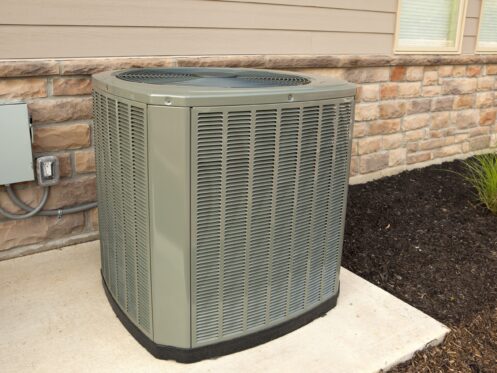
- Outdoor equipment: Condensers sitting in direct sun or surrounded by hard surfaces can struggle to reject heat efficiently.
- High humidity: Coastal climates put additional strain on the system because of high humidity. The AC needs to remove moisture before it can effectively cool the air.
- Coastal air: In Myrtle Beach, salt in the air can speed up corrosion, gradually reducing efficiency.
Common Reasons an AC Cannot Keep Up With Myrtle Beach Heat
Although it can be normal for Myrtle Beach air conditioning to struggle during extreme temperatures, some common problems can exacerbate the issue. This includes:
- Dirty air filters restrict airflow: Clogged filters can reduce airflow, limit cooling capacity, and cause more strain on the system.
- Dirty condenser coils reduce heat transfer: Dirt, pollen, salt air, and debris can prevent the outdoor unit from getting rid of heat efficiently.
- Low refrigerant levels limit cooling: Refrigerant leaks reduce cooling performance. This requires professional repair.
- Aging or Undersized Equipment Can’t Keep Up: Older systems lose efficiency, while improperly sized systems can have a hard time keeping up with the size of the home, especially during peak summer temperatures.
How Humidity Makes Your Home Feel Warmer
Moist air holds heat more effectively than dry air, making it feel even warmer than it is. So living in a coastal area like Myrtle Beach, where the air is more humid, can make home cooling a tougher job for any AC system.
Air conditioners are designed to remove both moisture and heat, so when it’s more humid, you might see your system running longer cycles because it’s trying to remove that moisture before pushing it into your home.
If you notice that your home is more humid than normal, it can be a strong sign that there’s an HVAC issue, since the system isn’t removing that moisture efficiently.
When an AC Struggling in the Heat Needs Professional Attention
If your AC runs nonstop and the home still won’t cool, blows warm air, develops ice on the lines, makes unusual noises, or starts cycling on and off frequently, it’s a sign something deeper is wrong. Rising energy bills can also point to a system losing efficiency. Homeowners should call an HVAC professional as soon as these symptoms appear:
- Ice forming anywhere on the system
- Warm air blowing from vents
- Loud or unusual noises
- A system that runs constantly but never cools
- Burning, electrical, or “hot plastic” smells
- Short cycling
- Energy bills that suddenly spike
Continuing to run the system when there’s damage can make the problem worse, especially to the compressor. If these warning signs show up, calling a professional HVAC technician is the best move.
How to Help Your AC Perform Better During Hot Weather
You can help your AC run more efficiently and stay reliable during the hottest months by keeping up with a regular HVAC maintenance plan:
- Replace your air filters regularly
- Keep the outdoor unit clear of leaves, grass clippings, and debris
- Close blinds, use fans, and avoid heat‑producing appliances during peak afternoon temps
- Schedule annual maintenance to catch small issues early
Preventative care doesn’t just improve day‑to‑day performance. It also helps prevent summer breakdowns and extends the life of your equipment.
Keep Your Myrtle Beach Home Cool All Summer
ACs often struggle in extreme heat because of high outdoor temperatures, attic heat gain, humidity, and the system simply reaching its design limits. But if you notice the signs above, it’s an indicator that something more serious is going on.
Schedule professional AC services with Quality Pro Services in Myrtle Beach to prevent further damage and keep your home safe and cool.
FAQs