
Summer in Charlotte is hot enough, and it can be frustrating when your upstairs feels like an oven even with your AC working overtime. Uneven temperatures between floors are common in two-story homes, but they usually have an identifiable cause. It’s true that heat naturally moves upward, but airflow problems, ductwork issues, insulation gaps, and an aging HVAC system can make the difference much worse.
How Heat Rising Makes the Upstairs Hotter Than Downstairs
Warm air is less dense than cool air, so it naturally rises to your upstairs while cooler air settles downstairs. Your upstairs may also absorb additional heat through the roof, attic, and sun-facing windows. This natural movement does not mean a large temperature difference is unavoidable. A well-designed HVAC system should still distribute enough conditioned air to keep both floors reasonably comfortable. If the upstairs feels dramatically warmer, heat gain may be combining with another problem.
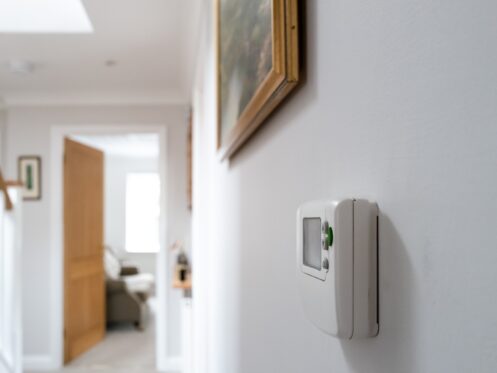
Thermostat placement can make matters worse. The system responds to the temperature around the thermostat. That means if your thermostat is downstairs, it may reach the set temperature and turn off the AC before the upstairs has cooled.
How Ductwork and Airflow Can Make the Upstairs Hotter
Your air conditioner may be producing plenty of cool air, but that air still has to reach the second floor. Crushed ducts, leaks, loose connections, and poor duct design can reduce the amount of airflow reaching upstairs rooms.
It’s also important to consider return airflow. Your HVAC system needs to remove warm air from upstairs spaces before replacing it with cooled air. If the second floor doesn’t have enough return vents, closed bedroom doors may trap warm air and prevent proper circulation.
If weak airflow, unusual noises, or long cooling cycles accompany the temperature difference, it may be time to request air conditioning repair help before your system experiences additional strain.
Can Insulation or Air Leaks Make the Upstairs Hotter?
Poor insulation can allow heat from the attic to move into upstairs ceilings and living spaces. Since the roof receives direct sunlight for much of the day, attic temperatures can climb quickly during hot Charlotte weather. Without enough insulation, your upper floor may gain heat faster than the AC can remove it.
Air leaks also make temperature control harder. Gaps around attic access points, recessed lighting, windows, doors, and duct penetrations can let hot outdoor or attic air enter the home. Meanwhile, cooled air may escape through those same openings.
How HVAC System Size and Age Affect Uneven Temperatures
An undersized air conditioner may struggle to cool the entire house during peak summer weather, while an oversized AC may cool the first floor so quickly that it shuts off before enough air reaches the second floor. Short cycles can also limit humidity removal, leaving the home feeling warmer and stickier than it should.
Age also affects performance. Worn components, dirty coils, low refrigerant, or declining efficiency may prevent an older unit from cooling as evenly as it once did.
Ways to Make the Upstairs More Comfortable
Adjusting your thermostat may help temporarily, but it will not correct the root issue of your uneven cooling. A technician should evaluate the HVAC equipment, airflow, and layout before recommending major changes.
Several improvements may help create more balanced cooling:
- Improve air circulation: Although they do not lower the actual air temperature, ceiling fans can help move cooled air through upstairs rooms.
- Keep vents accessible: Furniture, rugs, curtains, and stored items should not block supply or return vents.
- Seal duct leaks: Repairing gaps and disconnected sections can help more conditioned air reach the second floor.
- Add zoning controls: A zoning system can divide the home into separate comfort areas with independent temperature control.
- Upgrade the thermostat: Multiple sensors or a compatible smart thermostat may provide a more accurate picture of temperatures throughout the house.
- Consider ductless cooling: For problem rooms, additions, or floors with limited ductwork, ductless HVAC options can provide targeted temperature control.
- Schedule professional maintenance: Cleaning and testing the system can correct some performance problems and reveal issues that need repair.
Request AC Repair in North Charlotte
A hot upstairs doesn’t always mean that your air conditioner needs to be replaced. In many homes, the problem stems from fixable issues that make your system work harder. The best way to discover the cause of your home’s uneven cooling is to call a licensed HVAC contractor for an inspection.
Quality Pro Services offers trusted expertise, reliable repairs, free estimates, and 24/7 emergency service. As a locally owned Lennox Premier Dealer and BBB-Accredited Business, we deliver clear recommendations and quality workmanship to homeowners in North Charlotte.
Request AC repair in North Charlotte and find the right solution for a more comfortable home.
FAQ: Why Is My Upstairs Hotter Than Downstairs in North Charlotte?


